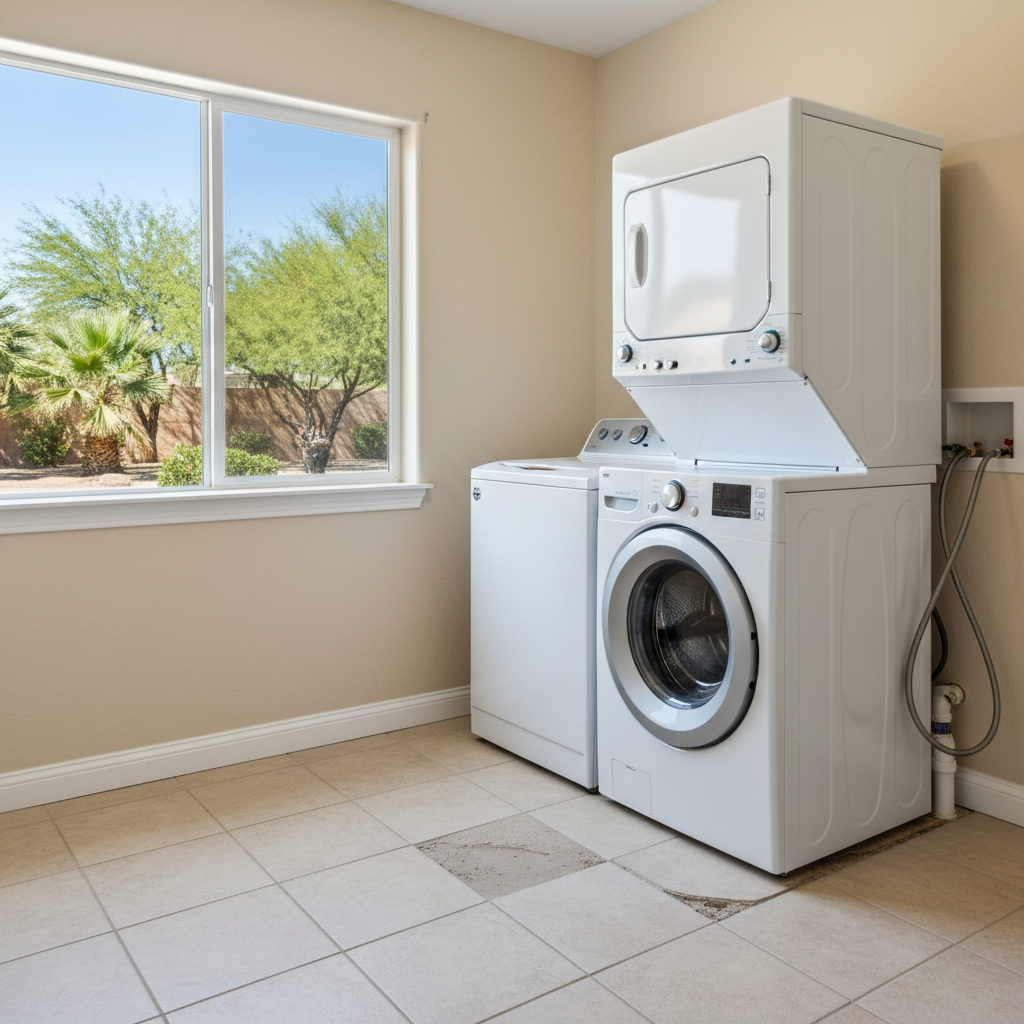
Water pooling under a kitchen dishwasher or behind a laundry machine usually triggers instant panic. When you are mopping up a mess in a home near the Higley corridor, it is easy to focus only on what is visible on the surface. Slab-on-grade foundations common in our local subdivisions mean water has a bad habit of migrating where you cannot see it. Over the years at First Choice Restoration, our team has walked into plenty of homes where well-meaning DIY efforts or rushed contractor choices left hidden moisture trapped right against the structure.
Skipping proper moisture detection is the single biggest error you can make. Just because the surface tile feels dry does not mean the subfloor or drywall backing is in the clear. Higley dry air and intense heat can make surface evaporation look deceptively fast, tricking you into thinking the job is done. Professional equipment like thermal cameras and digital hygrometers are non-negotiable if you want to prevent long-term rot or warping.
- Treating only the surface water while ignoring baseboards and wall cavities
- Trusting a standard household fan instead of commercial air movers
- Waiting days to call for help while mold starts taking root
Another major trap is hiring a general handyman who treats Water Damage Restoration like a simple towel-and-fan job. True Water Damage Restoration requires understanding structural drying protocols and how local conditions affect building materials. When a supply line fails on a two-story floor plan common in Gilbert early 2000s builds, the water running down inside the walls needs immediate, targeted intervention. Saving a few bucks upfront on an unqualified crew usually translates to tearing out warped cabinets and replacing buckling flooring a few months later.
Insurance communication is another area where people stumble. Taking apart damaged areas or throwing away ruined items before documenting everything thoroughly can hurt your claim. Snap plenty of photos, keep a detailed timeline, and make sure your cleanup crew provides clear documentation of atmospheric readings and moisture maps.
Taking a methodical approach right from the start saves you from endless headaches. Get eyes on the hidden spaces, verify the drying progress with concrete proof, and do not settle for quick fixes that leave your home vulnerable.